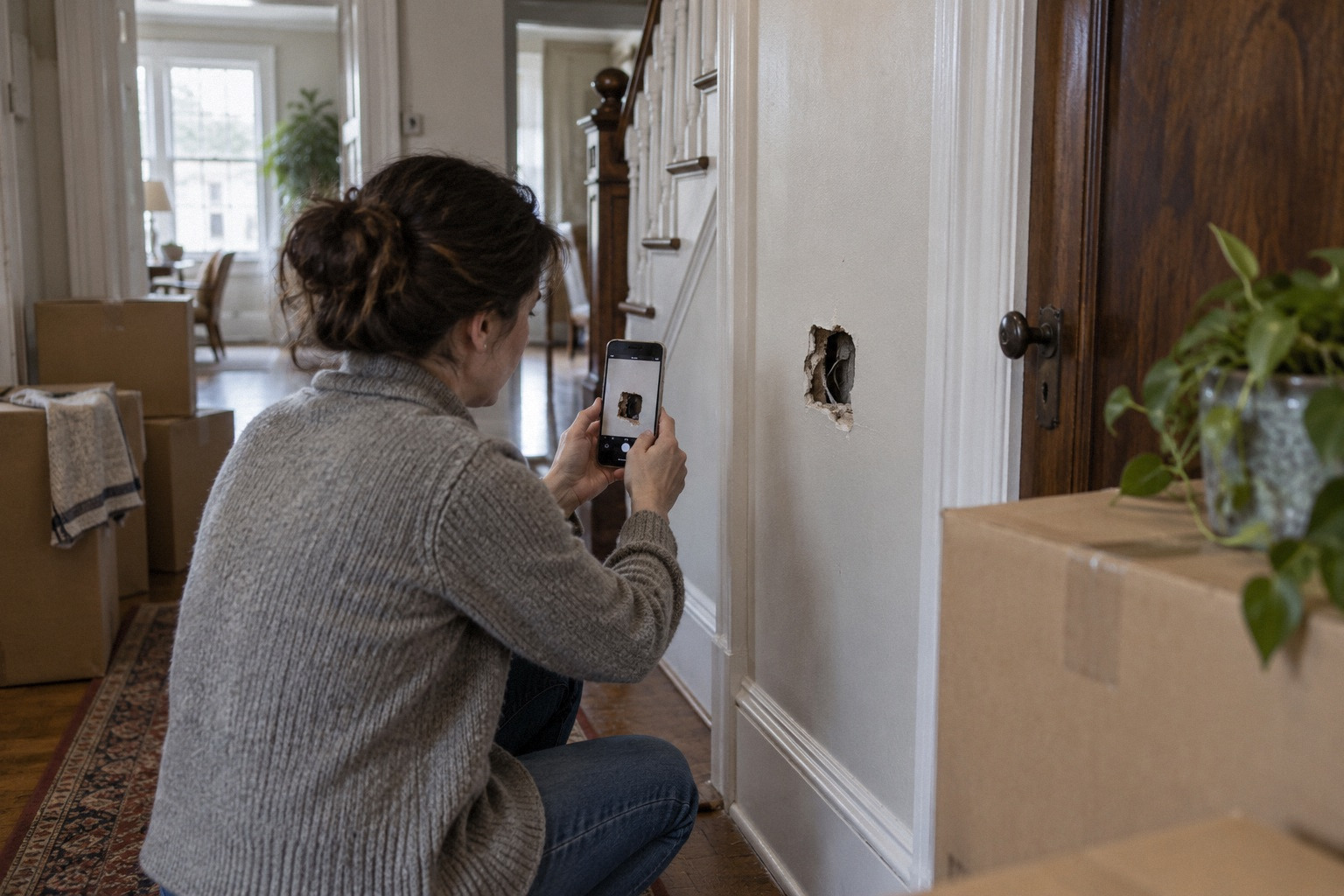
Establish the present condition before arguing about history
A contractor may use the phrase knob-and-tube present without specifying activity or condition. Ask for a report that identifies locations, confirmed findings and limitations. An old ceramic support is different from a verified active circuit with deteriorated insulation. This distinction matters both for the repair and for understanding whether the new finding contradicts an earlier statement. Preserve photographs the professional obtains, but do not open equipment or disturb wires yourself to build a case. The electrical assessment should remain a factual document rather than an attempt to assign legal blame.
Preserve the original transaction record
The California DRE homebuyer guidance describes the disclosures and visual-inspection information involved in a purchase. Keep the versions you received, including attachments, dates and written explanations. Retain the original listing, messages about updates and any available work records. Do not annotate over the only copy or replace it with a summary from memory. A timeline can distinguish what was said before closing from what was learned later. Include your own inspection requests and access limitations, because the complete sequence is more useful to a professional reviewer than isolated statements selected to support one interpretation.
Do not confuse a missed condition with proven concealment
The CFPB inspection guidance explains the role of an independent inspection and distinguishes it from an appraisal. What an inspector was retained to do, which areas were accessible and what the report actually said all matter when evaluating a later discovery. A seller’s knowledge is another separate question. New devices or a recent panel can coexist with older circuits without proving intent to hide them. If you suspect a misrepresentation, preserve the facts and obtain advice rather than publicly labeling the conduct before the relevant evidence and legal standards are reviewed.
Coordinate safety work and evidence preservation
The CPSC wiring guide identifies conditions that warrant professional attention. Necessary safety measures should not wait for a dispute to conclude. Tell the electrician that documentation of the original findings is important, while allowing appropriate correction of hazardous conditions. Ask for a clear record of the work performed and relevant photographs taken during authorized access. If litigation is contemplated, ask your attorney promptly about evidence handling before nonurgent destructive work. The appropriate process depends on the facts; there is no universal instruction to retain every removed component or leave a hazard untouched.
Build a realistic repair and advice plan
Separate the amount needed to make the property safe from the amount someone might eventually reimburse. A possible claim is not cash available to pay the electrician now. Obtain a scope-based estimate that identifies restoration costs and unknown areas. Review insurance obligations accurately, particularly if the new finding affects underwriting questions. Legal deadlines and remedies vary, so do not rely on a forum’s claim that you have a fixed number of years or will automatically recover the rewire cost. Qualified advice should be based on the actual documents and jurisdiction.
Separate discovery date from installation date
The date you discovered a condition is not necessarily when it arose or when another party learned of it. Keep those dates distinct in the timeline. A contractor may identify an apparent older installation without being able to date a later alteration. Avoid filling that gap with assumptions based on a panel label or paint color. A legal reviewer can assess what evidence is available about knowledge and representations; the electrical report should remain focused on the condition and supported technical findings.
A practical example
Hypothetical example: A homeowner discovers active older lighting circuits while arranging a fixture change six months after closing. The listing said electrical updated, but the available invoice concerned only a panel. The owner obtains an assessment, preserves the original transaction documents and records the discovery date. The electrician addresses the immediate condition and documents the affected scope. An attorney can then evaluate whether the representations, knowledge and other facts support any action. The owner does not assume that the full cost of a desired modernization equals recoverable damages. This sequence produces a safer home and a clearer factual file, while keeping the technical problem separate from the unresolved question of legal responsibility.
Questions to resolve before deciding
- Address urgent electrical concerns without waiting for a dispute outcome.
- Preserve original listings, disclosures, reports, invoices and correspondence.
- Obtain a scoped electrical assessment with activity, condition and limitations.
- Record the timeline without assuming who knew what.
- Seek transaction-specific legal advice promptly if considering a claim.
Frequently asked questions
Does finding old wiring prove the seller lied?
No. The seller’s knowledge, exact statements, disclosure duties and the meaning of the finding require review. An ambiguous update claim or abandoned remnant is not the same as proof of knowing concealment. Preserve the evidence and obtain qualified advice.
Should I postpone repairs until responsibility is settled?
Do not leave an immediate hazard unresolved for that reason. Coordinate appropriate documentation with the electrician and, if a dispute is contemplated, legal counsel. Nonurgent investigation and evidence-handling choices can be discussed without delaying necessary safety measures.
Sources and further reading
Questions from homeowners
These discussions helped identify the problem. Reddit experiences are anecdotal; technical and legal statements rely on the sources above.