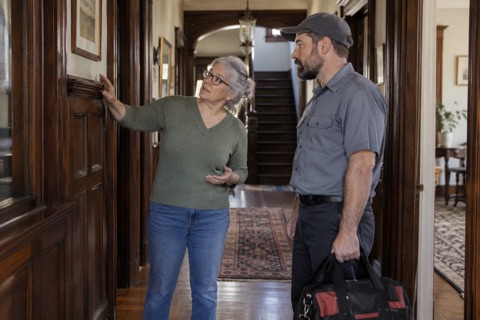
Separate observation from interpretation
A photograph of unfamiliar wiring is an observation, not a complete diagnosis. Ask the contractor to identify the location, what was observed and what further assessment is needed. Avoid deciding from a phone picture that the entire house needs additional work or that the contractor is exaggerating. The important question is how the discovery changes the agreed result and whether it prevents other work from proceeding.
Record the discovery while the area is accessible. Use a room name and a recognizable reference point, not simply upstairs wall. Keep photographs supplied by the contractor and a short written explanation. Do not enter a restricted area or disturb wiring to obtain better evidence. If an immediate protective action is required, ask the contractor to document what was done and what remains unresolved.
Decide which kind of change it is
There are several different situations. The work may already be included but more difficult than expected. It may concern an excluded system. It may be a newly discovered condition requiring a revised scope. Or it may be an owner-requested improvement that becomes attractive while the wall is open. These situations should not share one generic extra-work label.
Read the existing scope and assumptions with the contractor. A fixed price does not automatically answer every concealed-condition question, and an hourly agreement does not eliminate the need for authorization. CSLB's California guidance requires written scope and price changes. What is a Contract? Use the conversation to establish the category, not to force a technical conclusion that neither party has enough information to make.
Ask for options that can actually be compared
A proposal should explain the intended outcome, affected areas and what happens if the decision is deferred. Sometimes there is one necessary corrective route; sometimes there are several compliant ways to reach the goal. Ask the qualified contractor to distinguish technically acceptable alternatives from choices of finish, convenience or future capacity. Do not substitute online wiring advice for that assessment.
Compare the whole impact. One option may have a lower electrical price but require more decorative repair. Another may preserve the room but extend the schedule. A change that affects the permitted scope may need agency review; San José's guidance explicitly limits work to the authorization obtained. Electrical Projects The owner's approval of a price does not settle the approval question.
Write the change so another person can follow it
Include a reference to the original agreement, the discovery, the changed work, exclusions, price or pricing mechanism, schedule effect and restoration responsibility. Identify the documents or selections being replaced. If a fixture or room is removed from scope, show any credit rather than only the new charge. If the full effect is not yet known, authorize a defined assessment step instead of pretending the permanent solution is settled.
CSLB's binding-agreement guidance addresses written changes to materials, work and completion dates. What should I look for in a contract and binding agreements? In practice, the crew also needs a current instruction. Send the approved version through the agreed project contact and mark older versions as superseded. A signed document in the owner's email is of limited value if the crew is working from yesterday's plan.
Hypothetical change-order example
An electrician opens an agreed access point and finds that an older circuit serves a hallway outside the room schedule. The finding does not automatically prove misconduct or justify a whole-house expansion. The contractor records the affected circuit and explains why the planned room work cannot be completed independently as originally assumed. The owner asks for the available compliant scope and the effect on the hallway finish.
A reviewable change note could contain:
- Reason: previously unidentified work outside the original room boundary affects completion of the included room.
- Assessment: contractor to establish the affected locations and explain the revised boundary before permanent work is authorized.
- Proposed work: a specific description tied to the updated room or circuit schedule.
- Price: a stated amount or a defined assessment authorization, including treatment of work removed from the original scope.
- Time: an expected effect on the current sequence, with any inspection or material dependency identified.
- Restoration: the hallway surface treatment and the trade responsible for completing it.
- Approval: named authorized parties, date and the revised document issued to the crew.
The example describes administration, not a wiring solution. The actual technical response depends on the building and the applicable requirements.
Keep a running change register
Number changes and track proposed, approved, declined and completed items separately. Include the cumulative effect on the contract total and schedule. This prevents several individually small decisions from becoming a surprise at the end. It also helps an owner distinguish money already committed from an option still under discussion.
Review unresolved changes at a regular project meeting. Ask which decisions block work and which can wait. If a disagreement persists, preserve the original scope and the evidence supporting each position. Avoid allowing a vague verbal authorization to grow into an unlimited instruction. The best change process makes a difficult discovery manageable without denying that old houses can contain conditions nobody could see during the first visit.
Your project checklist
Questions that come up next
Does every hidden condition justify extra money?
Not automatically. Review the existing scope, assumptions and pricing model, then document why the proposed work changes the agreement.
Can we approve the price while permit review is pending?
The contract decision and agency authorization are separate. Make any approval conditions explicit and follow the required permit process before dependent work.
Sources and further reading
Questions from homeowners
These discussions helped identify the problem. Reddit experiences are anecdotal; technical and legal statements rely on the sources above.