Separate safety from the commercial argument
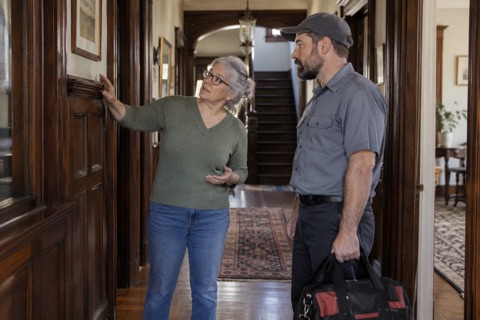
A dispute over money does not make exposed or uncertain electrical work safe to handle. If there is an immediate danger, use the appropriate emergency response and qualified electrical assistance. Do not open equipment, re-energize a questionable installation or move conductors to improve photographs. Explain the situation honestly to the professional assessing the work, including which parts are incomplete and which circuits may have been altered.
Ask for a written description of the observed condition and any protective measures taken. A professional may need to act before a complete dispute file can be assembled. Preserve what can safely be documented, but do not delay necessary protection merely to obtain a perfect record. Keep the safety response distinct from a claim that the original contractor is legally responsible for every concern.
Build a factual project timeline
Create a dated sequence from proposal through the latest work. Include contract signing, payments, changes, inspection requests, inspection results, reported discoveries and significant communications. Use original records where available. Mark a recollection as a recollection rather than presenting it as a contemporaneous note. A short, accurate timeline is more useful than a long narrative filled with assumptions about motives.
California's CSLB contract guidance emphasizes a written description of the agreement. What is a Contract? Compare that agreement with the observed delivery. Separate missing work from alleged defects, damage to other property and new work you would now prefer. These are different issues, and mixing them can make a valid complaint harder to understand.
Preserve evidence before a replacement crew begins
A replacement electrician may need to remove or alter disputed work. Ask that company to document the relevant condition and explain its own scope before starting, when circumstances allow. Keep photographs tied to a location and date. Ask for findings in descriptive terms rather than requesting a statement designed to support a predetermined accusation.
Do not require the new contractor to guarantee everything concealed in the house as a condition of providing a limited repair. Clarify what the assessment covers and what remains unknown. Keep the new work agreement separate from the earlier dispute so that the boundaries are visible. An invoice for correction is useful evidence of expenditure, but it does not by itself prove why every item was necessary or who legally owes the cost.
Request a specific written response
Send the original contractor a concise list of the unresolved issues through an appropriate documented channel. Identify the relevant contract provision or inspection notice where possible. Ask what the contractor proposes, who will perform the work and how access and timing will be arranged. Avoid inflammatory descriptions or threats that add no factual information.
For California projects, CSLB provides an official construction complaint route. Filing a Construction Complaint The process should not be described as a guaranteed refund service. CSLB's information about what happens after filing also explains that the dispute route may be affected by a contract arbitration clause. After You File Your Complaint Read the current instructions and obtain legal advice where the agreement or requested remedy is unclear.
Hypothetical evidence index
Suppose an owner has paid for a rewire and required inspections, but several rooms remain incomplete and the contractor says everything is finished. A useful file does not begin with a conclusion that the entire installation is defective. It begins with the agreed scope, an official permit-status check and a room-by-room record of the specific gaps.
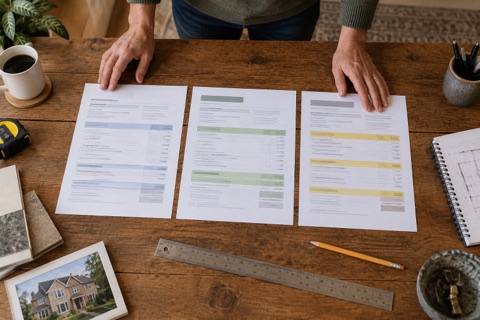
Organize the file into these sections:
- Agreement: signed contract, attachments, accepted proposal version and approved changes.
- Money: dated invoices, receipts, payment confirmations and a reconciliation to the current agreed total.
- Government records: permit description, inspection results, corrections and any official closure status.
- Observations: dated photographs and notes identifying the location and who made the observation.
- Professional assessment: the scope, findings and limits of any independent review or corrective work.
- Communications: specific requests, contractor responses, missed appointments and proposed resolutions.
- Current needs: remaining work, immediate household restrictions and access arrangements for correction.
This index helps an advisor or agency understand the problem without asking the owner to retell every conversation. Keep originals and submit copies according to the receiving agency's current instructions.
Avoid actions that create a second dispute
Do not assume that you can discard materials, terminate an agreement, deny all access or stop all payment without considering the contract and applicable law. Those decisions may be justified in a particular situation, but a general article cannot decide them from a short description. Document the reason for any urgent action and obtain advice when the consequences are substantial.
As the project is made safe and completed, keep the final correction records together with the original evidence. Close the construction tasks and the commercial dispute as separate processes. A finished house may still have an unresolved claim, while a negotiated settlement may not substitute for the inspections or corrections needed to finish the actual work.
Your project checklist
Questions that come up next
Should I wait to repair a dangerous condition to preserve evidence?
No. Obtain the appropriate qualified response and document what can safely be recorded. Safety and evidence preservation must be coordinated.
Does filing with CSLB guarantee repayment?
No. Use the current official process and understand its scope; contract terms and other dispute routes may matter.
Sources and further reading
Questions from homeowners
These discussions helped identify the problem. Reddit experiences are anecdotal; technical and legal statements rely on the sources above.