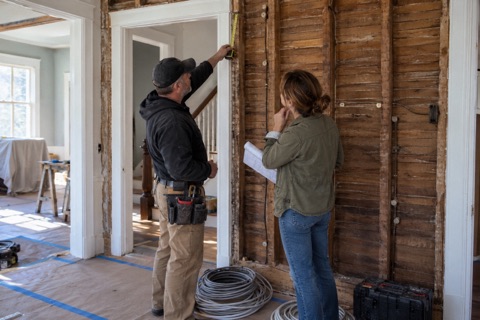
Read the finish language literally
Rough patching, finish patching and painting are different outcomes. A proposal may close an opening without matching texture or repainting the full wall. Ask what level of restoration is included and who coordinates it. Historic plaster and decorative finishes can require separate assessment, but do not assume every rewire means wholesale demolition. The electrician’s expected access plan should inform the finishing estimate. If one trade assumes another will protect furniture, remove debris or prepare surfaces, identify that gap before work starts. Budget disputes often arise at these handoffs rather than in the wire price.
Include investigation and discovery separately
The NFPA existing-dwelling inspection overview provides context for defining the assessment needed before replacement. A first estimate may not include the work necessary to determine every retained circuit. If further investigation is required, show its cost separately and identify the result it should produce. Some uncertainty may remain until authorized access occurs. Instead of hiding that inside a vague miscellaneous line, describe the condition and how it will be resolved. A named allowance can later be revised or removed; an unexplained contingency makes it harder to understand why the budget changed.
Separate required work from improvements you choose
The CPSC wiring guide distinguishes system components and warning conditions. Correcting a documented defect is a different decision from adding recessed lighting, more receptacles or a larger service for future equipment. These additions may be sensible while work is underway, but they should not silently inflate the cost attributed to removing knob-and-tube. Keep an optional-work column. This lets the owner make tradeoffs without cutting a necessary correction simply because the combined wish list exceeds available funds. Ask the electrician to explain the basis for any item described as required.
Account for the homeowner’s side of the project
Potential owner costs include moving or storing belongings, arranging access, caring for pets and spending time coordinating appointments. Temporary accommodation may or may not be needed; ask about the expected impact rather than assuming it. If a household member works from home or uses essential powered equipment, discuss the practical constraints early with the appropriate professionals. These are planning costs, not a reason to improvise temporary wiring. Keep them visible alongside the contractor totals so the budget reflects what completing the project actually requires from the household.
Match the funding schedule to the payment schedule
The FTC home-improvement guidance cautions against rushed financing decisions and encourages clear written estimates. Build a cash-flow view showing when funds are available and when legitimate project payments are due. A rebate applied later or an insurance claim under review should not be counted as money already in hand. If financing is used, compare fees and total borrowing cost as well as the monthly payment. Do not let a low advertised payment obscure an estimate that still excludes finishes or unresolved electrical work. The construction budget and financing budget should be reconciled before commitment.
Avoid double counting shared work
If painting is included in a general remodel contract, do not add a second full painting estimate to the rewire budget without checking the boundary. Similarly, a contractor may already include protection and cleanup in the electrical price. Ask each party to describe its responsibility and mark the overlap in the budget. The goal is a complete total, not the largest possible contingency. A clear responsibility column can reveal both missing work and duplicated allowances before either distorts the owner’s spending decision.
A practical example
Hypothetical example: A fictional household has a $26,000 electrical proposal. It separately obtains a $4,000 finish-restoration estimate and sets aside a $2,000 allowance for a specifically identified unresolved area. Its planning total is $32,000 before any optional additions or financing costs. These are illustrative figures, not market rates. If the electrical proposal already included the same restoration, adding $4,000 again would double count it. If a potential rebate has not been approved, subtracting it would understate the funds needed. A simple included/separate/allowance table makes both errors visible. As investigation resolves the uncertain area, the owner updates that line instead of treating the original budget as an unchangeable promise.
Questions to resolve before deciding
- Mark each cost category as included, separately priced, an allowance or not applicable.
- Specify the exact finish and painting outcome expected after access openings.
- Separate necessary corrections from optional electrical additions.
- Include household access and occupancy costs that actually apply.
- Reconcile confirmed funding dates with the project payment schedule.
Frequently asked questions
Should I add a standard contingency percentage?
A percentage can be a personal planning choice, but no single figure fits every old-house rewire. Identify specific unresolved conditions and ask how they could affect cost. A budget is more useful when the reserve has a stated reason.
Does the electrical price usually include painting?
There is no reliable universal assumption. Read the proposal and ask whether it includes rough patches, finished surfaces, patch painting or whole-surface painting. Obtain separate pricing for anything needed to reach the finish condition you expect.
Sources and further reading
- NFPA 73: Electrical Inspections for Existing Dwellings
- Guide to Home Wiring Hazards
- How To Avoid a Home Improvement Scam
Questions from homeowners
These discussions helped identify the problem. Reddit experiences are anecdotal; technical and legal statements rely on the sources above.