Define removal before comparing promises
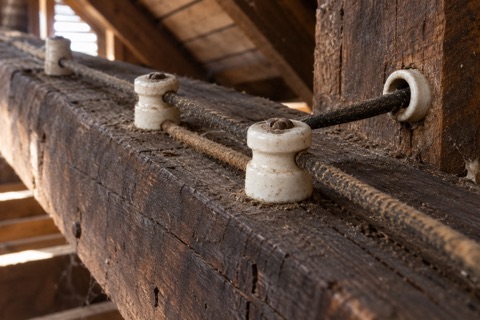
Homeowners often use remove knob-and-tube to mean several outcomes: replace the circuits, disconnect the old system or physically extract every conductor and ceramic support. Those outcomes are not interchangeable. An estimate may use removal as shorthand for electrical decommissioning, while an insurer or buyer interprets it literally. Resolve the meaning before accepting the scope. Specify whether accessible remnants will be removed, whether concealed remnants may remain and how inactivity will be documented. This prevents an avoidable dispute after the electrical work is complete and walls have been repaired.
Ask about the electrical result first
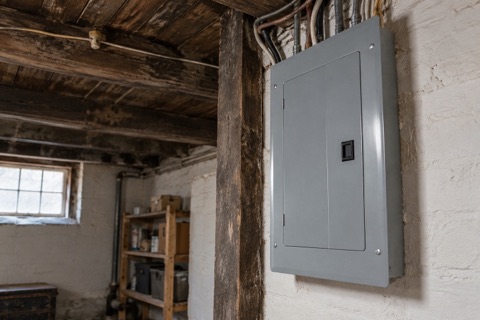
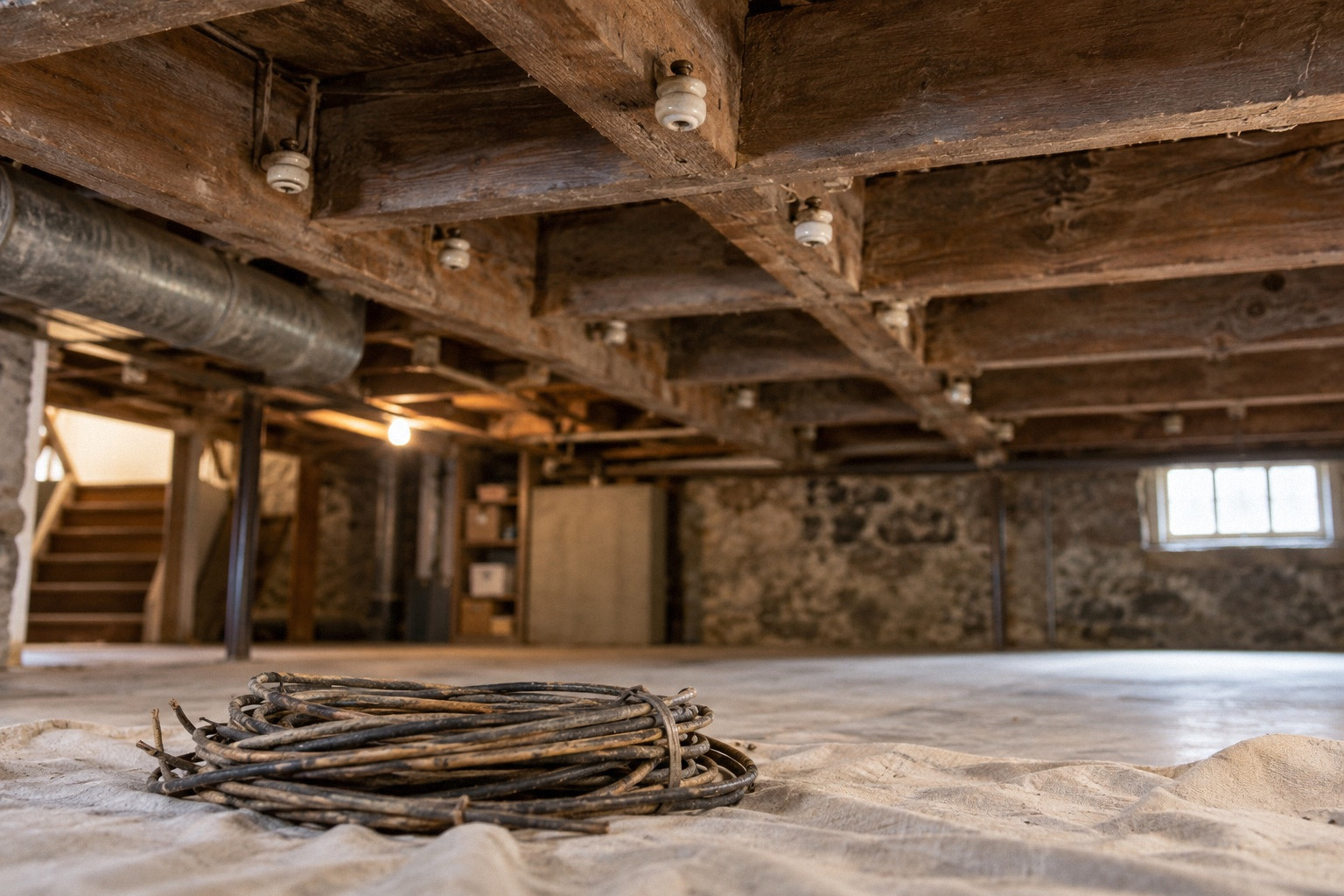
The HUD inspection guide makes wiring condition and system identification part of the assessment. A pile of old wire removed from a basement is not a survey of every circuit in a dwelling. Ask what evidence supports the conclusion that the intended active legacy circuits were eliminated. The answer should identify the assessed scope and any limitations. If a contractor reports that only accessible sections were addressed, the homeowner should not convert that into a whole-house claim. Conversely, harmless remnants should not automatically trigger another rewire without an assessment of their actual status.
Consider what future trades will encounter
Old remnants can create uncertainty during insulation, remodeling or a later inspection even when they were properly decommissioned. The Indiana preservation discussion notes that historic wiring may survive either abandoned or in service. A clear record helps the next professional distinguish those possibilities. It can include location information, photographs of completed work and a description of any known concealed remnants. Ask whether the project also requires identification or warnings. The purpose is to make future work informed; a label alone is not an electrical test or a substitute for verification when circumstances warrant it.
Do not create damage merely to satisfy an undefined phrase
Removing every concealed component may require opening plaster, trim or other finishes. That decision deserves a defined benefit and a clear scope, especially when other building hazards may require assessment before disturbance. It should not be improvised by pulling on wires from an accessible end. Ask the responsible professional which removal is required, which is useful for planned work and which is optional. If a recipient insists on complete physical removal, have that requirement clarified before comparing bids that assumed only decommissioning. The price difference may largely concern access and restoration.
Get the recipient to accept the actual evidence
The BayREN EASE Home announcement illustrates a program focused on documented inactivity rather than a photograph of an empty attic. An insurer, buyer or building department may have different requirements. Obtain the relevant wording and ask whether the proposed completion documentation satisfies it. Do not ask a contractor to certify beyond the inspected scope. A completion invoice, inspection record and electrical report may each establish different facts. Keep them together, with a brief explanation of what remained, so future questions can be answered without reconstructing the project from memory.
Budget physical extraction as a separate outcome
If you want accessible historic remnants removed for appearance or future access, ask for that item separately from the required electrical result. The proposal can then identify which locations are included and what finishing is excluded. This avoids using a cosmetic preference as a test of electrical completion. It also prevents a contractor from treating an agreed physical-removal item as optional simply because decommissioning is complete. Compare the delivered result with the actual promises, not with an undefined expectation that all old objects would disappear.
A practical example
Hypothetical example: After a rewire, an owner finds ceramic knobs and short wire remnants in the basement and assumes the contractor failed to finish. The proposal says active legacy circuits were replaced and concealed abandoned wiring would remain. The owner asks for the completion record, identifies the locations of the remnants and requests clarification of their status. If the record supports the agreed electrical result, a separate decision can be made about accessible cosmetic removal. If a circuit was excluded or never assessed, that is a substantive scope question requiring follow-up. The distinction keeps a legitimate concern from becoming a demand for destructive removal that was neither required nor included, while also preventing vague abandonment language from covering unverified active wiring.
Questions to resolve before deciding
- Clarify whether removal means replacement, decommissioning or physical extraction.
- Read the proposal and final record together for retained or excluded areas.
- Ask how the electrical result was verified within the agreed scope.
- Confirm any insurer, program or local requirement for remaining remnants.
- Preserve location records for future insulation, remodeling and sale.
Frequently asked questions
Should I pull out a loose wire that looks abandoned?
No. Appearance does not establish electrical status, and pulling can disturb other concealed components. Ask an electrician to identify it and determine the appropriate action. Even an inactive remnant can be entangled with material or wiring you cannot see.
Does leaving a ceramic knob violate the rewire promise?
That depends on the actual scope and applicable requirements. A promise to eliminate active knob-and-tube is different from a promise to remove every historic component. Resolve the wording with the contractor and compare it with the evidence of the completed electrical work.
Sources and further reading
- Residential Rehabilitation Inspection Guide, electrical chapter
- Lighting it up
- Knob-and-tube rebates help Bay Area homes with EASE Home upgrades
Questions from homeowners
These discussions helped identify the problem. Reddit experiences are anecdotal; technical and legal statements rely on the sources above.