Confirm whether a permit exists
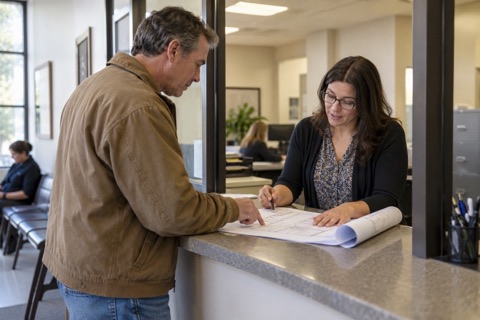
Begin with the official permit record. Ask the contractor for the permit number and verify the address and scope. A number belonging to an earlier project is not evidence that the current work is covered. A submitted application may not have been issued, and a permit for panel work may not describe a larger rewire. Establish the status before concluding that the project has no authorization at all.
If the record is unclear, contact the permit office with the address and a concrete description. San José's electrical guidance illustrates that rewiring and scope limits are explicit parts of the local process. Electrical Projects The aim is to obtain the actual answer for your property, not to decide the issue from a contractor's general statement that nobody requires permits for this kind of work.
Preserve access while the process is clarified
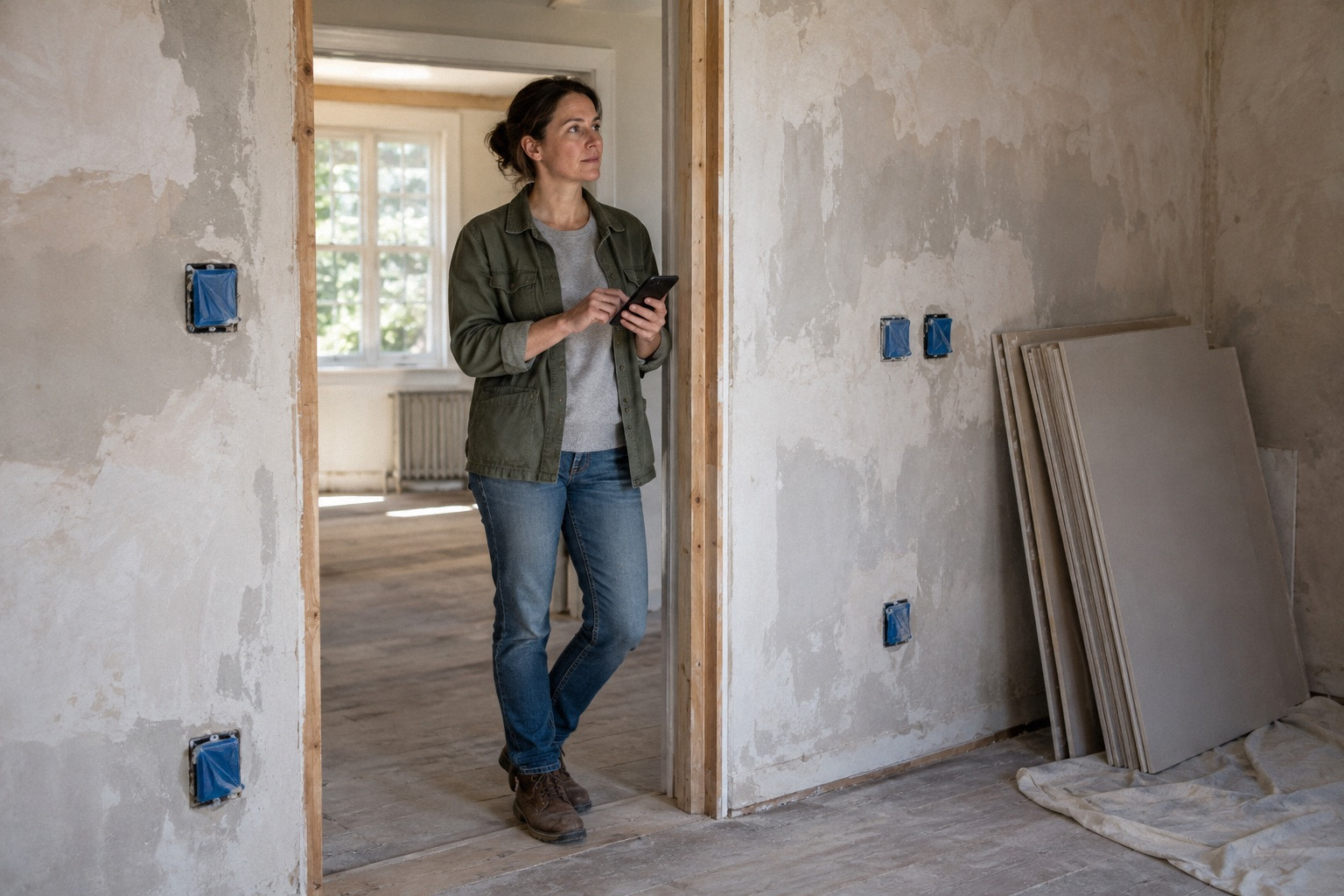
If walls or ceilings remain open, do not rush to close them before the authority explains what inspection is needed. Tell the finish contractor that the approval status is unresolved and identify the person who will release the work. Keep residents away from areas the electrical contractor has not made suitable for use. Do not leave the household to decide safety from whether the lights happen to work.
If surfaces have already been closed, describe that honestly. The authority may require information, an assessment or access to concealed work, but the exact response is local and project-specific. Do not promise that photographs will be accepted in place of inspection or that every wall must inevitably be opened. Ask what evidence the agency requires and who is qualified to provide it.
Ask for the after-the-fact route without disguising the scope
Provide the address, work dates, contractor identity, areas affected and the current stage. Ask what application category applies to completed work and what supporting documents are needed. San Mateo County's published process distinguishes application, review, issuance, inspections and revisions. Apply for a Permit Even when work already exists, the agency must establish the appropriate route rather than treating a payment as automatic approval.
Avoid minimizing the project as a repair if it replaced multiple circuits or included service work. An inaccurate description can lead to an answer that does not address the installation. Keep a dated record of the agency's instructions and follow up in writing when a material requirement is unclear. The contractor should participate with the technical information needed to evaluate the scope.
Review what the contractor promised
Read the contract's permit and inspection provisions. Ask the contractor to explain the omission and propose a written resolution. The response should identify who applies, who prepares documents, who attends inspections and how corrections or restoration will be handled. Do not accept a discount as proof that an approval requirement has disappeared.
At the same time, avoid making an automatic legal conclusion about all resulting costs. The agreement, actual work and applicable law matter. If the contractor refuses to address a promised obligation or the matter becomes a dispute, California owners can consult CSLB's current complaint process. Filing a Construction Complaint Preserve the facts and obtain appropriate advice rather than relying on a forum instruction to stop all payment or threaten a particular remedy.
Hypothetical omission response
An owner receives an email after a rewire saying the permit was forgotten. Several access openings remain, and painting is scheduled the next day. The owner verifies that no matching permit is issued, postpones closure of affected work and asks the building authority for the proper process. The contractor is asked for a written plan tied to those instructions.
A useful response record contains:
- Agreement: the clause or proposal item describing permit and inspection responsibility.
- Work completed: rooms, circuits or equipment included, as described by the contractor.
- Current access: open areas, closed surfaces and available photographs or project records.
- Official instructions: application, documents, inspections and any required access identified by the authority.
- Contractor proposal: responsible person, schedule and treatment of corrective or restoration work.
- Household plan: safe-use restrictions and the effect on finish work or move-in.
- Closure target: the final agency result needed to complete the permit process.
This is a hypothetical management response, not a guaranteed path to legalization. The authority's review and the actual condition determine what follows.
Keep private assessment and public approval distinct
An independent electrician's review can help assess condition or define corrections. It does not automatically replace the permit authority's inspection or approval. Ask the reviewer to state the scope and limitations of the assessment. Provide relevant findings to the contractor and agency through the appropriate process, without presenting a limited review as certification of every concealed part of the house.
Once the required work and inspections are completed, retain the issued record, corrections and final result together. Update the contract closeout file so the original omission and its resolution are understandable. The objective is a safe, accurately documented and properly completed project, achieved through the local process rather than through an unsupported assurance that the paperwork does not matter.
Your project checklist
Questions that come up next
Will paying for a permit after the work guarantee approval?
No. The authority may require review, documentation, access, inspections or corrections based on the actual project.
Can an independent electrician inspection replace the permit?
Do not assume so. A private assessment can provide useful information, but government approval follows the applicable local process.
Sources and further reading
Questions from homeowners
These discussions helped identify the problem. Reddit experiences are anecdotal; technical and legal statements rely on the sources above.