Establish which inspection is being requested
The words rough inspection can refer to a particular electrical stage or be used loosely for several trades. Look at the permit card and ask the contractor to identify the requested inspection by the agency's own description. A combined renovation may have electrical, plumbing, mechanical and building inspections that do not all occur at the same time. Passing one does not automatically release every wall or ceiling for closure.
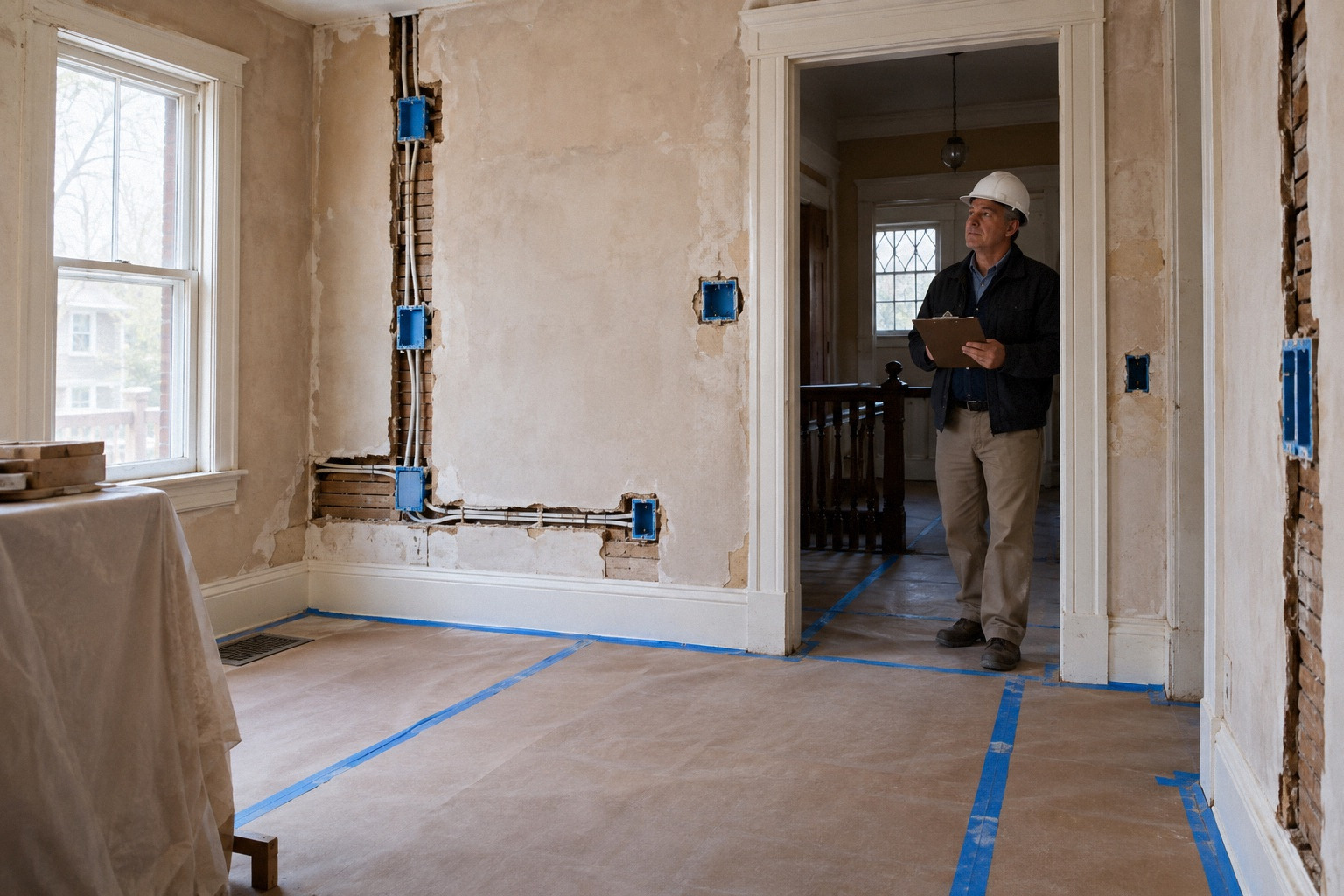
Portland's electrical guidance describes rough readiness after boxes and wiring are installed and before covering; it also lists other expected installation elements. Residential Electrical Permits This is a concrete local example, not a homeowner installation checklist for the whole country. Have the electrician confirm readiness against the actual local requirements rather than asking the owner to inspect the technical work personally.
Keep the work visible until it is released
A finish contractor may be eager to close openings to keep the schedule moving. Establish a hold point: no covering of the relevant work until the required approval is confirmed. Mark which areas are released and which are still pending. In a phased rewire, one approved room should not be taken as authorization to cover a different area that was not inspected.
Portland's broader inspection sequence places rough trade approvals before relevant framing or cover stages. Residential Inspections: The Start-to-Finish Guide The exact sequence elsewhere may differ, but the project-management principle is specific: the person releasing the next trade must know which inspection result applies to which work. Keep the result in the project file and send the release to the finish contractor through the agreed contact.
Assemble the inspection packet
Have the permit identifier, permit card, approved plans where applicable, relevant revisions and prior inspection records ready. If the inspector requested manufacturer information or other documents, gather those before the appointment. San José's electrical guidance specifically calls for the permit card, applicable instructions and access to the work. Electrical Projects Do not assume the inspector will search through an owner's email to find a missing document.
Keep paper or digital copies in the form the local agency accepts. The contractor should know which version is current. If a device or layout has changed since approval, identify the revision rather than presenting the old drawing without explanation. An organized packet allows the visit to focus on the work and reduces avoidable return trips caused by missing information.
Prepare access without disturbing the installation
Clear ordinary household belongings from the agreed paths and access areas before the inspector arrives. Arrange keys, parking information and a contact who can answer project questions. Keep children and pets away from active work areas. Ask the contractor to provide any trade equipment or access arrangements required for the inspection; the owner should not improvise a ladder setup or enter an unsafe space.
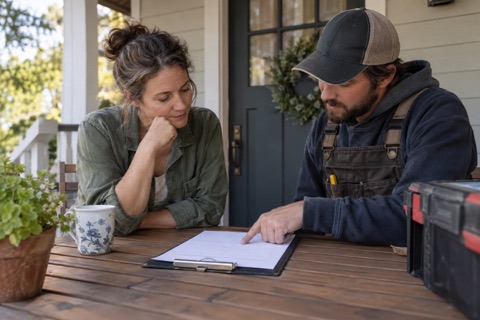
Confirm that the inspection is booked rather than merely requested in conversation. Ask who will attend and who receives the result. If the inspector needs the electrician's explanation, the owner should not be left to reconstruct the installation from memory. A person familiar with the permitted work should be available through the arrangement agreed with the contractor and agency.
Hypothetical rough-inspection readiness review
Imagine the upstairs wiring is ready but the downstairs scope has just changed. The plasterer is booked for both floors. The electrical contractor should identify whether the scheduled inspection covers the upstairs work only, both floors or a particular phase. The owner then knows which restoration activities can realistically follow and which must remain on hold.
Review these items before the visit:
- Inspection identity: correct permit, inspection type and work area, with the booked appointment confirmed.
- Current documents: permit card, approved plans, authorized revisions and earlier correction notices.
- Visibility: the work requiring inspection remains accessible and has not been covered prematurely.
- Attendance: the responsible contact knows the appointment and can explain the scope.
- Household access: required paths are clear and occupants understand restricted areas.
- Next trade: plaster, insulation or other cover work awaits the specific release rather than an assumed pass.
- Result handling: one person will obtain the written result and circulate the next action.
This review does not establish that the work will pass. It establishes that the visit can take place with the right scope, access and records.
Read the result before changing the schedule
After the visit, distinguish approval, partial approval, corrections and an incomplete inspection. Ask the contractor to explain any conditions in the written record. If corrections are required, identify the work and reinspection needed before covering. Do not treat an encouraging verbal comment as a release if the official record shows unresolved items.
If the scope or inspection outcome is unclear, request clarification through the agency's process before closing the work. A short delay for a clear answer can prevent reopening finished surfaces. Save the result with the permit and update the room-by-room status. The rough inspection is a major handoff, but it remains one stage in completing and closing the project.
Your project checklist
Questions that come up next
Can a homeowner certify rough work is ready?
The qualified contractor should establish technical readiness. The homeowner can coordinate access, documents and the hold on finish work.
Does approval upstairs release the whole house?
Only the work covered by the actual result is released. Confirm the area and any conditions before other trades cover it.
Sources and further reading
Questions from homeowners
These discussions helped identify the problem. Reddit experiences are anecdotal; technical and legal statements rely on the sources above.