Knob & tube
How to Recognize Knob-and-Tube Wiring Without Disturbing It
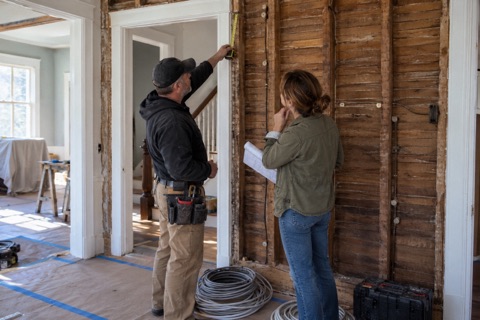
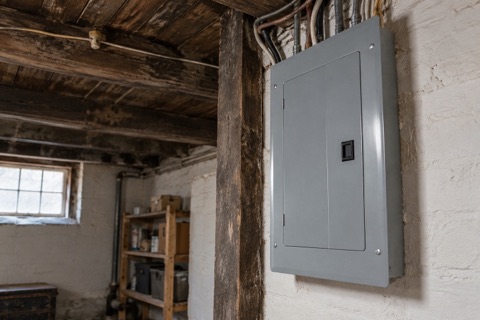
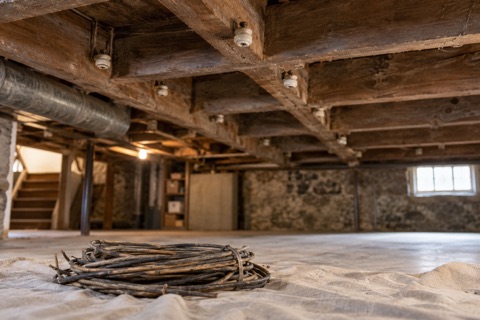
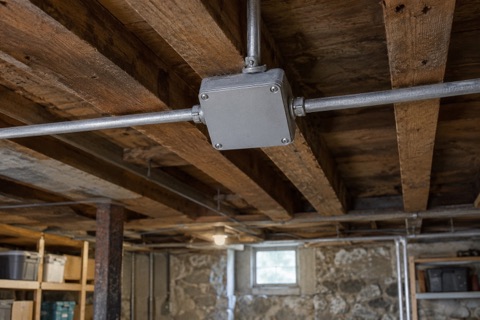
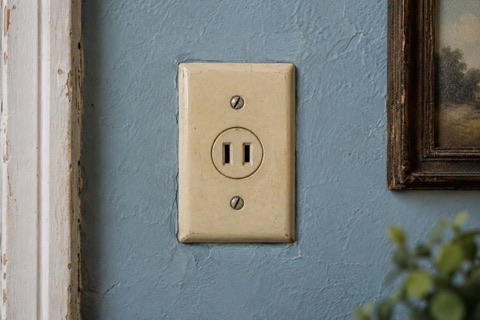
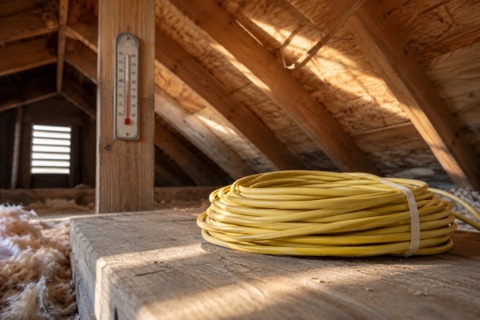
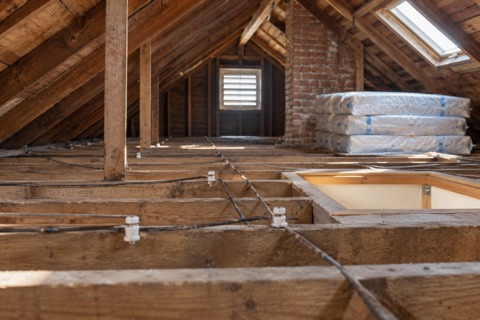
Recognize the visible features of knob-and-tube wiring and learn what photographs cannot establish about activity or condition.
100 guides to the decisions behind a safer, thoughtfully rewired home. Start with the problem in front of you.
No guides match that search. Try a shorter phrase or choose all topics.
Recognize the visible features of knob-and-tube wiring and learn what photographs cannot establish about activity or condition.
Coordinate electrical findings, repair funds, insurance and lender conditions before deciding whether to buy a house with knob-and-tube.
Build a scope-based rewire budget that separates circuits, access, panel work, finishes and uncertainty without inventing national rates.
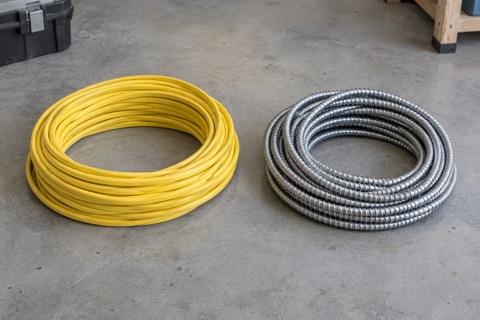
Compare NM-B and MC wiring by route, environment, grounding and complete installation requirements in an older home.
Compare selective access routes that can preserve plaster while completing an old-house rewire.
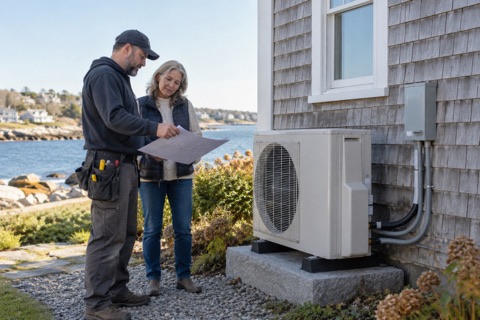
Coordinate heat-pump models, electrical ratings, backup heat and old-house routes before finalizing new circuits.
Evaluate old-house rewiring experience, references, inspection coordination and protection of historic finishes before choosing an electrician.
Find the authority for your address and obtain a scope-specific answer about rewire permits instead of relying on conflicting general advice.
Use a daily work-zone update, decision log and outage notice to keep an occupied-house rewire organized without interrupting the crew.
Distinguish cloth coverings from wiring methods so inspection findings, repair estimates and insurance answers describe the right problem.
Translate updated-electrical listing claims into documented panel, circuit and device work before relying on them during a purchase.
Understand why square-foot and per-device rewire prices require matching scope, access and inclusions before they become useful.
Understand when an existing conduit route can support new wiring and which condition, capacity and access questions need answers.
Explore vertical paths and selective access for circuits sandwiched between finished floors.
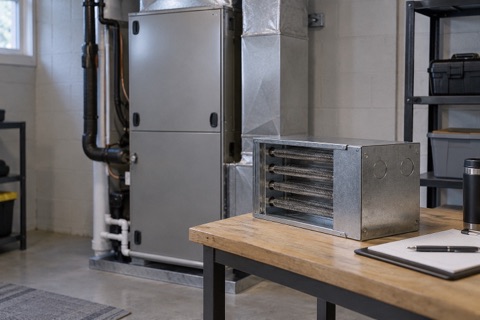
Understand how resistance backup heat changes electrical demand and why controls, equipment ratings and heating design must agree.
Match the contracting business, California C-10 classification, permit role and insurance information before a rewiring contract is signed.
Understand what you assume when a hired electrician asks you to obtain a homeowner or owner-builder permit for the project.
Identify what is delaying a rewire and build a documented recovery schedule around labor, decisions, inspections, materials and utility dependencies.
Learn why a new electrical panel does not prove branch wiring was replaced and which records establish the actual scope of an update.
Organize known wiring conditions, completed repairs and uncertainties for accurate California residential-sale disclosure discussions.
Build a complete rewire budget covering finishes, investigation, household costs, funding timing and clearly identified allowances.
Learn why a metal cable jacket does not automatically establish a reliable equipment grounding path.
Compare concealed, surface and hybrid wiring routes where attic and basement access are limited.
Plan EV charging around real energy needs, suitable branch wiring, connection method and route conditions.
Compare rewiring bids by room, retained wiring, devices, permits, restoration and exclusions instead of judging total prices alone.
Determine the adopted electrical code edition, local amendments and permit timing that govern an old-house rewire.
Collect the permit results, current scope, circuit information, warranties and unresolved items that make a rewire understandable after the crew leaves.
Understand how new receptacles and renovated rooms can coexist with older active lighting circuits in a partially rewired house.
Preserve transaction records and obtain a scoped electrical assessment when old wiring is discovered after closing.
Compare partial and full rewiring by the result achieved, remaining obligations and repeated costs rather than the first payment alone.
Compare complete copper replacement with specific connection-remediation methods for confirmed legacy aluminum branch circuits.
Plan electrical access around crown molding, medallions and other significant interior details.
Distinguish fixed charging limits, dynamic management and group sharing when evaluating an older electrical service.
Define the actual boundaries of a whole-house rewire, including retained circuits, approvals, restoration, cleanup and completion records.
Prepare access, records and construction sequencing for a rough electrical inspection before rewiring is concealed by finishes.
Compare vacant and occupied rewiring using work zones, dust containment, essential services, restoration and realistic move-in milestones.
Learn what evidence distinguishes active wiring from abandoned remnants and how to scope an electrician assessment for your decision.
Understand inspection access limits and decide when an electrical specialist is needed to resolve concealed-wiring questions.
Separate branch rewiring from panel and service costs so each equipment recommendation has a clear reason and comparable scope.
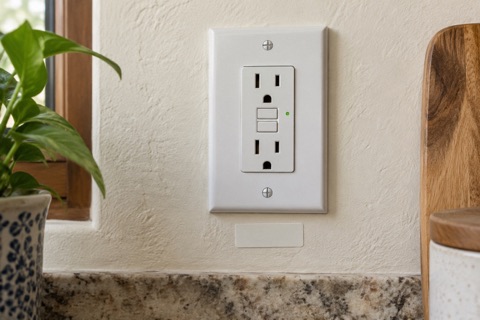
Understand why a GFCI-protected outlet can remain ungrounded, what its labels mean and how equipment needs affect the decision.
Evaluate listed surface raceway by dimensions, components, transitions and its effect on an old plaster room.
Match an induction appliance to its electrical supply, existing circuit, kitchen layout and applicable California requirements.
Choose a clear pricing structure for concealed conditions, investigation and authorized extra work during an old-house rewire.
Distinguish powered equipment, rough approval, final inspection and permit closure when accepting a completed house rewire.
Map usable rooms, protected paths and daily release decisions so an occupied-house rewire does not leave the household without a workable living area.
Compare electrical decommissioning with physical removal and clarify what old wiring left after a rewire means for the completed scope.
Compare a seller credit with seller-managed repairs against financing, insurance deadlines, scope uncertainty and available cash.
Evaluate resale expectations and insurance savings without assuming a guaranteed return or a premium discount after rewiring.
Distinguish arc-fault, ground-fault and overcurrent protection before selecting upgrades for old-house circuits.
Distinguish behind-baseboard access from surface raceway and assess trim, paint and route interruptions.
Distinguish dedicated- and shared-circuit plug-in water heaters while evaluating hot-water demand and existing wiring.
Plan California rewire deposits and earned progress payments, including the rare bond exception and clear completion milestones.
Read an electrical correction notice, assign the response and arrange reinspection without assuming that rough approval guarantees final approval.
Inventory essential household loads and agree outage notices, backup arrangements and restart checks before an occupied-house rewire.
Understand why brittle insulation changes a small fixture job and what findings support a local correction or a broader replacement.
Learn why a seller’s existing policy does not establish insurance eligibility or terms for a buyer’s new application.
Review the 2026 BayREN knob-and-tube announcement, EASE Home eligibility and required evidence before relying on project assistance.
Understand shared-neutral circuit arrangements and the product-specific compatibility questions behind protective-breaker trips.
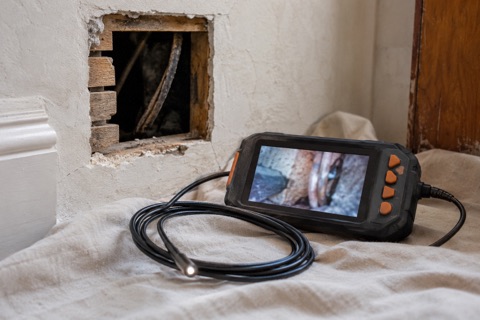
Use borescope observations to answer focused routing questions without overstating what a camera can reveal.
Coordinate staged electrification through separate records for wiring condition, future loads and useful pathways.
Turn unexpected wiring discoveries into reviewable scope decisions with documented options, cost, schedule and permit consequences.
Review the permit description before adding subpanels, circuits or other work to a rewire, and distinguish agency revisions from contract changes.
Plan electrical interruptions and work-zone access around mobility needs and powered medical equipment before an occupied-home rewire.
Learn why years of normal operation do not establish present wiring condition or suitability for new loads, insulation and renovations.
Investigate discrepancies between wiring claims and verified conditions without confusing partial updates with proven concealment.
Learn the documented limits of plug-in outlet testers and how to interpret their results in older homes.
Compare fish-tape and rod capabilities, route obstacles and manufacturer safety limits in old walls.
Assign electrical, general-contractor, inspection, utility and restoration responsibilities before a multi-trade old-house rewire begins.
Respond to an unpermitted rewire with accurate records, preserved access and the local after-the-fact process before walls are closed.
Assign lead-safe renovation screening, containment, access and cleanup responsibilities before electricians disturb painted surfaces in an older home.
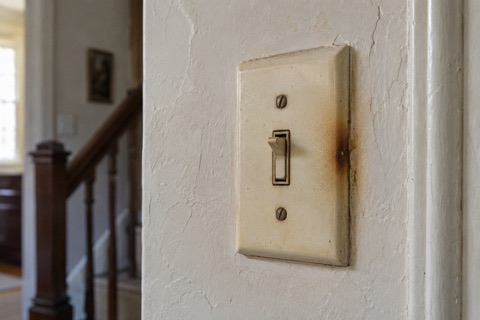
Recognize electrical warning signs in an old house and record useful symptoms without touching hazards or attempting improvised repairs.
Ask the right underwriting questions about knob-and-tube and compare actual coverage conditions rather than outdated carrier anecdotes.
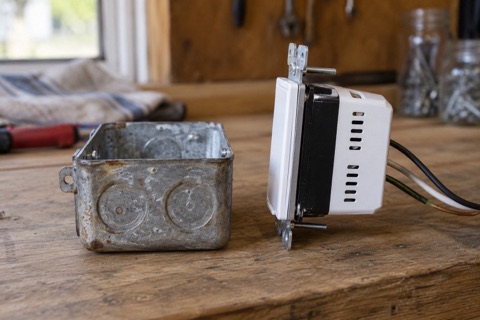
Evaluate device depth, box volume, conductors and wall construction before fitting modern controls into old electrical boxes.
Choose junction locations that fit the wiring method, finished room and future access needs.
Agree who patches, restores, primes and paints after rewiring, with clear finish standards and inspection handoffs for old plaster.
Coordinate the contractor, utility and inspector so service work does not leave a completed rewire waiting for authorized reconnection.
Sequence electrical work, other trades, inspections and surface restoration so a renovation does not repeatedly open and close the same areas.
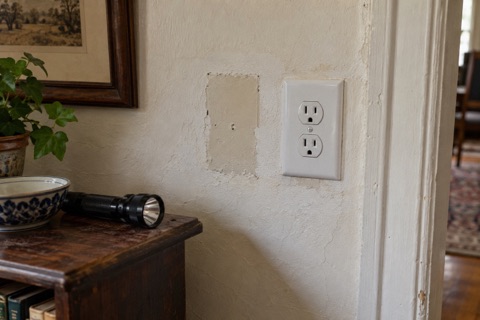
Separate outlet appearance, grounding status and wiring type before drawing conclusions about knob-and-tube or a completed rewire.
Define the scope and evidence an insurer needs before commissioning an electrician letter about old or inactive wiring.
Understand cable temperature ratings, attic conditions and the difference between insulation capability and allowable ampacity.
Understand lead-safe planning for electrical openings and why small-hole assumptions can misread the federal RRP exception.
Preserve facts, inspection records and project boundaries before corrective work or a contractor complaint changes the evidence of a disputed rewire.
Track the actual expiration rules and extension process for a rewire permit when construction pauses or stretches across several phases.
Coordinate electrical safety, preservation goals and local historic approvals before rewiring a house with significant original interiors.
Resolve active wiring and documentation before attic insulation, with clear distinctions between DOE guidance and local requirements.
Clarify insurance rewire deadlines, completion evidence and review timing before relying on a contractor’s proposed schedule.
Plan crawlspace wiring around moisture, physical exposure, service access and the selected cable system.
Coordinate asbestos assessment with the actual rewiring route and compare alternatives before disturbing suspect material.
Coordinate California rental-home electrical repairs, access notices, outages and contractor responsibilities without assuming tenants can authorize alterations.
Replace vague percentages of remaining knob-and-tube with a usable inventory of verified work, active circuits and unresolved areas.
Distinguish California repair requests, cancellations and nonrenewals while coordinating electrical evidence and coverage continuity.
Build a useful circuit map with stable endpoint names, confirmed relationships and explicit unresolved questions.
Plan around attic vermiculite using EPA guidance, alternative routes and clearly bounded specialist assessment.
Define safe phase boundaries, approvals, remaining work and contract obligations before spreading an old-house rewire over time.
Coordinate the separate loan, property and insurance decisions that can affect closing on a house with older wiring.
Choose smart controls by neutral requirement, load compatibility, switching arrangement and old-box constraints.
Evaluate closets and service chases as complete routes while preserving significant finishes and practical room use.
Review visible contract delivery, room functions, restoration and records after a rewire without treating a homeowner checklist as an electrical inspection.
Separate planned electrical upgrades from covered damage and warranty benefits before budgeting insurance-funded work.
Describe known and uncertain wiring facts accurately, review application summaries and correct incomplete electrical-update records.